Plain walls often make a room feel unfinished, even when furniture, flooring, and lighting already look polished. A textured wall surface can change that feeling by adding depth, shape, and visual interest without requiring a major rebuild. Property owners seeking a stylish finish may consider a 3D Wall Panel for Interior in Las Piñas as a practical decorative choice for homes, offices, shops, cafés, clinics, salons, and other commercial spaces.
Three-dimensional wall panels use raised forms, repeated patterns, curves, lines, or geometric shapes to create a more striking surface. Light and shadow move across each panel, giving the wall a different look from morning to evening. This feature makes wall panels useful for reception areas, living rooms, bedrooms, dining spaces, conference rooms, retail displays, and branded photo areas.
Inno Motiff Construction Design Solution offers creative surface products suited for residential and commercial projects. Its range includes 3D wall and ceiling panels, acoustic panels, area rugs, artificial grass, decorative plants, metal wall art, and woven surface covers. Clients can choose pieces that support a coordinated room concept rather than relying on paint alone.
What Is a 3D Wall Panel?
A 3D wall panel is a decorative surface material with raised patterns. Unlike flat paint or ordinary wallpaper, each panel creates depth through sculpted forms. Geometric blocks, waves, ridges, curves, and abstract designs can turn a blank wall into a strong visual feature.
The final look depends on pattern size, panel arrangement, colour, finish, wall dimensions, and lighting direction. A simple white panel may look subtle under soft daylight, yet the same panel may appear dramatic under a wall washer or spotlight. This flexibility makes 3D panels suitable for many design themes.
A 3D Wall Panel for Interior in Las Piñas can cover an entire wall or only a selected section. Full-wall coverage creates a bold statement. Partial coverage works well behind a television, bed, sofa, reception desk, product shelf, company logo, or dining table.
Why Choose a 3D Wall Panel for Interior in Las Piñas?
Homeowners and business operators often want decorative upgrades that look polished without changing the whole floor plan. Three-dimensional panels meet that need by giving plain walls more character.
Raised patterns create visual movement. Clean lines can support a modern office. Soft waves can suit a bedroom, lounge, or spa. Bold geometric forms can give a retail shop or restaurant a memorable backdrop. Minimal textures can support neutral colour schemes without making the room feel crowded.
A 3D Wall Panel for Interior in Las Piñas also offers design flexibility. Property owners can choose a pattern that matches existing furniture, flooring, ceiling details, curtains, signage, or brand colours. Proper planning helps each panel feel connected to the rest of the space.
Suitable Spaces for 3D Wall Panels
Many rooms can benefit from textured wall treatment. The best placement depends on how people use the area and which surface naturally catches attention.
Living rooms often use 3D panels behind the television or sofa. This creates a focal point and helps the room feel more complete. Bedroom panels usually appear behind the headboard, where texture can replace large framed décor. Dining rooms may use panels beside the table to create a warmer, more polished setting.
Commercial properties can place panels behind reception counters, product shelves, waiting areas, service counters, or company signs. Restaurants and cafés may add them to photo-friendly corners. Clinics and salons can use subtle patterns to give waiting areas a cleaner, more professional look.
A 3D Wall Panel for Interior in Las Piñas can also support condominium units, home offices, showrooms, hotels, event venues, and rental properties that need a clear decorative identity.
Popular Design Styles for Las Piñas Properties
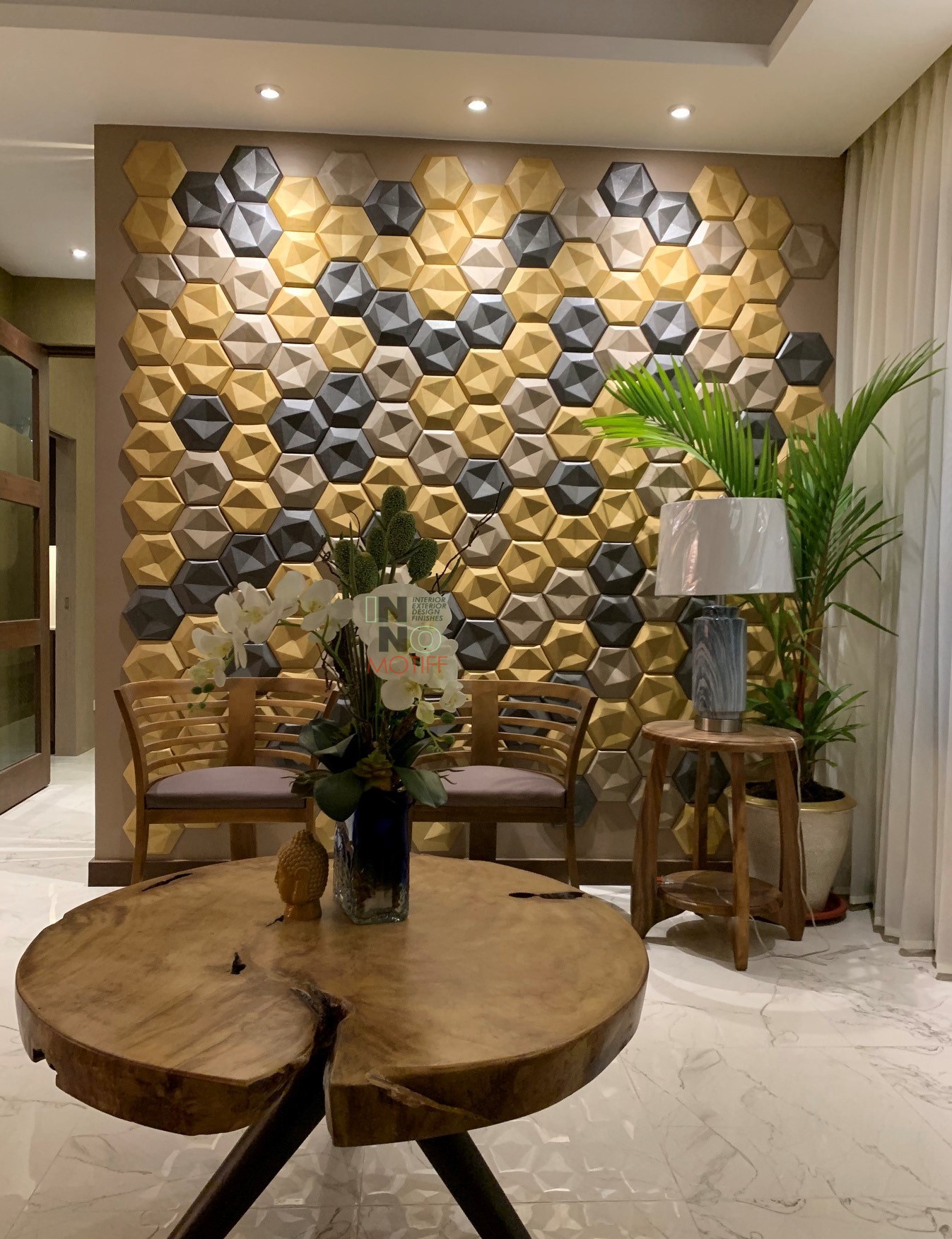
Geometric patterns remain a popular choice for modern homes and workplaces. Squares, diamonds, hexagons, and angular forms create structure and make a wall look organized. Such patterns work well behind office desks, reception counters, media walls, or product displays.
Wave patterns create a softer appearance. Curved forms can reduce the rigid feel of box-shaped rooms. They are often suitable for bedrooms, lounges, dining areas, beauty spaces, and wellness facilities.
Linear designs give a clean look. Vertical lines can make a wall appear taller, while horizontal lines can make a narrow area feel wider. Correct placement matters because panel direction affects visual proportion.
Abstract textures offer more artistic freedom. They suit property owners who want a stronger decorative statement. Minimal textures provide a quieter option for rooms where furniture, artwork, or lighting already carries much of the visual weight.
How 3D Wall Panels Change Room Appearance
Texture affects how people view room size, height, and depth. A flat wall reflects light evenly, while a raised panel creates highlights and shadows. These small shifts make the surface feel more active and dimensional.
Large patterns often suit wide walls because the shapes remain easy to see from a distance. Smaller patterns can work better for compact rooms, feature sections, or narrow wall areas. Light finishes may help a small room feel more open, while darker finishes can create a dramatic focal point.
Lighting plays a major role. Side lighting makes ridges more visible. Ceiling spotlights can highlight selected sections. LED strips can frame a panel wall or create a softer glow. Natural daylight may reveal texture gradually throughout the day.
Careful planning allows a 3D Wall Panel for Interior in Las Piñas to support room proportions rather than overpower them.
Choosing the Right Panel for Your Space
Start with wall measurements. Record height, width, sockets, switches, windows, doors, air-conditioning units, shelves, and mounted fixtures. Accurate measurements help estimate panel quantity and reduce unnecessary cuts.
Next, review the room theme. Consider floor colour, furniture style, ceiling details, curtains, artwork, and lighting. A bold panel may pair best with simple furniture. A subtle panel may work better when the room already has strong decorative features.
Decide whether full-wall or accent-wall coverage suits the project. Full coverage creates greater impact, while partial coverage offers a more controlled result. Framed panel sections can work well for compact homes or commercial spaces with limited wall area.
Wall condition should also be checked. Loose paint, moisture, cracks, uneven surfaces, or weak plaster may affect panel placement. Surface repairs should happen before installation starts.
Colour and Finish Ideas
White remains a common choice because it looks clean and works with many furniture styles. It also reflects more light, making it useful for compact rooms or spaces with limited daylight.
Beige, cream, and light brown can create a warmer mood. Grey suits modern offices, condominiums, clinics, and retail spaces. Black or charcoal can create a stronger statement, especially behind signs, televisions, or display shelves.
Wood-inspired finishes can add a natural appearance. Metallic finishes may suit luxury-themed reception areas, showrooms, or entertainment spaces. Brand colours can also be applied to business walls, helping the background support signage and visual identity.
A 3D Wall Panel for Interior in Las Piñas should match both the room purpose and the preferred mood. Colour selection should never rely on the panel sample alone. Lighting, wall size, and nearby finishes may change how the colour appears after installation.
Installation Factors to Consider
A good result starts with site assessment and layout planning. Installers need to check wall dimensions, surface condition, pattern direction, edge treatment, corners, outlets, and nearby fixtures.
Surface preparation may include cleaning, sanding, patching, or removing loose paint. Panel placement should begin with a clear reference line so patterns remain aligned. Cuts around sockets, switches, corners, and wall edges need careful measurement.
Some panels may require painting or finish work after placement. Edges and joints should look neat from normal viewing distance. Final inspection should check pattern continuity, panel stability, surface cleanliness, and overall balance.
Professional support can reduce alignment errors, poor cuts, visible gaps, and uneven spacing. Project duration depends on wall size, panel material, pattern complexity, and site condition.
Care and Maintenance Tips
Regular dust removal helps preserve the look of textured panels. A soft cloth, feather duster, or gentle brush can reach raised areas without scratching the surface.
Cleaning products should match the panel material and finish. Harsh chemicals, rough pads, and excessive water may damage some surfaces. Property owners should follow supplier guidance before applying any cleaner.
Moisture sources deserve attention. Roof leaks, pipe leaks, wall seepage, or condensation may affect panels and the wall behind them. Any water issue should be repaired quickly.
Furniture with sharp corners should not press against textured walls. During repainting, rewiring, or room repairs, workers should protect the panel surface from tools, dust, and accidental impact.
Common Design Mistakes to Avoid
One common mistake is choosing a pattern without considering wall size. A large, busy design may overwhelm a narrow room. A very small pattern may lose impact across a wide commercial wall.
Another mistake is covering too many walls. Textured panels often work best as a focal point. Pairing one feature wall with simpler surrounding surfaces creates better balance.
Poor lighting can hide the panel shape. A decorative wall may look flat when light falls directly from the front. Side lighting or angled lighting usually shows texture more clearly.
Mixing too many patterns can also make a room feel crowded. Strong wall texture should work with furniture, flooring, rugs, and décor rather than competing against every element.
Skipping surface preparation may lead to weak placement, visible gaps, or uneven alignment. Proper wall checking remains a key part of any panel project.
Benefits for Las Piñas Homeowners
A 3D Wall Panel for Interior in Las Piñas can refresh an older room without requiring a full renovation. It can give a living room, bedroom, dining area, or home office a clearer focal point.
Panels can also help define zones across open layouts. A textured television wall can mark the living area, while another finish can separate the dining space. This approach helps larger rooms feel organized without adding permanent partitions.
For homeowners who enjoy hosting guests, a feature wall can make the room look more polished and photo-ready. A good panel choice also supports personal style, whether the preference is modern, minimal, natural, artistic, or dramatic.
Benefits for Las Piñas Businesses
Commercial spaces need to look professional and memorable. A textured wall behind a reception desk, logo, service counter, or product display can create a stronger first impression.
Retail stores can use panels to frame featured products. Cafés and restaurants can create attractive photo areas. Offices can place textured surfaces behind conference tables or reception counters. Salons and clinics can choose softer patterns that help client areas feel neat and welcoming.
A 3D Wall Panel for Interior in Las Piñas can also support visual branding. Colour, pattern, lighting, signage, and furniture can work together to create a consistent customer experience.
Why Choose Inno Motiff Construction Design Solution?
Inno Motiff Construction Design Solution offers decorative products for residential and commercial spaces. Its wall and ceiling panel options give clients several ways to add depth, pattern, and character to plain surfaces.
The company also offers acoustic panels, area rugs, artificial grass, decorative plants, metal wall art, and woven surface covers. These products can support a coordinated design plan across walls, floors, display zones, and decorative corners.
Clients planning a 3D Wall Panel for Interior in Las Piñas can review wall size, room purpose, lighting, furniture, and preferred style before selecting a pattern. Product guidance helps reduce design mismatch and supports better material planning.
Homeowners, interior designers, contractors, office managers, and business operators can all benefit from working with a provider that carries several decorative surface options.
How to Plan Your 3D Wall Panel Project
Begin by choosing the wall that needs the most attention. Look for a surface naturally visible from the entrance, seating area, reception desk, bed, dining table, or customer zone.
Measure the wall and note all fixtures. Save photos of preferred patterns, colours, and room styles. Compare those references with actual room size and lighting.
Choose between full coverage, partial coverage, or a framed feature section. Ask for product recommendations based on the property type and daily use. Confirm panel quantity, finish requirements, labour scope, and expected site preparation.
Before work starts, clear furniture away from the wall and protect nearby surfaces. After installation, check alignment, edges, joints, colour consistency, and panel stability.
Careful preparation helps a 3D Wall Panel for Interior in Las Piñas look polished and suitable for long-term use.
Create a More Distinctive Interior with Inno Motiff
Walls shape how a room feels. Paint can provide colour, yet textured panels add form, depth, and shadow. These qualities can turn an ordinary surface into a focal point that supports the whole room concept.
Homes can gain a stronger living room, bedroom, dining area, or work corner. Businesses can create more memorable reception areas, stores, cafés, clinics, salons, or offices. The right panel pattern, colour, layout, and lighting can make each space feel more complete.
Property owners seeking a 3D Wall Panel for Interior in Las Piñas can explore the wall and ceiling panel options available from Inno Motiff Construction Design Solution. A well-planned feature wall can give residential and commercial spaces a fresh, polished, and practical decorative finish.
Frequently Asked Questions
What is the best 3D wall panel for interior use?
The best choice depends on room size, wall dimensions, lighting, preferred style, budget, and daily use. Large patterns often suit wide walls, while subtle patterns may work better for compact rooms.
Can 3D wall panels be placed over painted walls?
Placement may be possible when the painted wall is clean, dry, stable, and level. Loose paint, moisture, cracks, or uneven plaster should be repaired before panel work starts.
Are 3D wall panels suitable for small rooms?
Yes. Light colours, subtle patterns, and limited feature-wall coverage can add texture without making the room feel crowded.
Where can homeowners place 3D wall panels?
Popular areas include living rooms, bedrooms, dining spaces, entry areas, home offices, entertainment walls, and staircase walls.
Can businesses use 3D wall panels?
Yes. Offices, clinics, salons, cafés, restaurants, retail stores, showrooms, hotels, and event spaces can use panels for reception walls, signage backdrops, product displays, or customer photo areas.
Does lighting affect the final look?
Yes. Side lighting, spotlights, wall washers, and LED strips can make raised patterns more visible by creating highlights and shadows.
How should textured wall panels be cleaned?
Use a soft cloth, gentle brush, or feather duster. Cleaning products should match the panel material and finish. Avoid rough pads, strong chemicals, or too much water.
Where can property owners find a 3D Wall Panel for Interior in Las Piñas?
Inno Motiff Construction Design Solution offers 3D wall and ceiling panels plus related decorative products for residential and commercial spaces. Clients can review style, wall size, lighting, and room purpose before selecting a suitable design.